30C Tax Credit: Why Now Is the Most Cost-Effective Time for Businesses to Install EV Chargers
30C Tax Credit incentives make EV charger installation in Utah more affordable than ever. Learn how businesses can reduce costs, increase parking revenue, and invest in the future of electric cars.
Understanding the Alternative Fuel Infrastructure Tax Credit (30C)
The Alternative Fuel Infrastructure Tax Credit, commonly known as 30C, is one of the most powerful incentives available today for businesses considering EV charging infrastructure. With electric vehicle ownership rising steadily across the U.S., this credit significantly lowers the financial barrier for installing charging stations—especially in states like Utah where adoption is accelerating.
What the 30C Tax Credit Covers
The 30C tax credit applies to each individual charging port or fuel dispenser placed in service between January 1, 2023, and June 30, 2026. Eligible property includes EV charging ports, hydrogen fueling equipment, energy storage, and essential components such as wiring, mounting hardware, and even labor costs. This means businesses investing in EV charging stations Utah-wide can include installation electrician labor as part of their qualifying expenses.
Timeline and Eligibility Window (2023–2026)
Timing matters. Installations must occur within the current eligibility window, making now the most strategic moment to act. Businesses that delay risk missing out on tens of thousands of dollars in tax savings per charger.
Learn more about tax credits for EV charging infrastructure.
How the 30C Tax Credit Works for Businesses
6% vs 30% Credit Explained
Businesses can claim:
6% of depreciable costs, up to $100,000 per charger, or 30% of depreciable costs, up to $100,000 per charger, when prevailing wage and apprenticeship requirements are met
For many Utah businesses, meeting these labor requirements is achievable and dramatically increases the return on investment.
Prevailing Wage and Apprenticeship Requirements
Projects that use qualified electricians and registered apprentices not only comply with federal standards but also support the local workforce—an added benefit for companies focused on regional economic growth.
EV Charger Installation in Utah: A Regional Advantage
Why Utah Is a Qualified Location
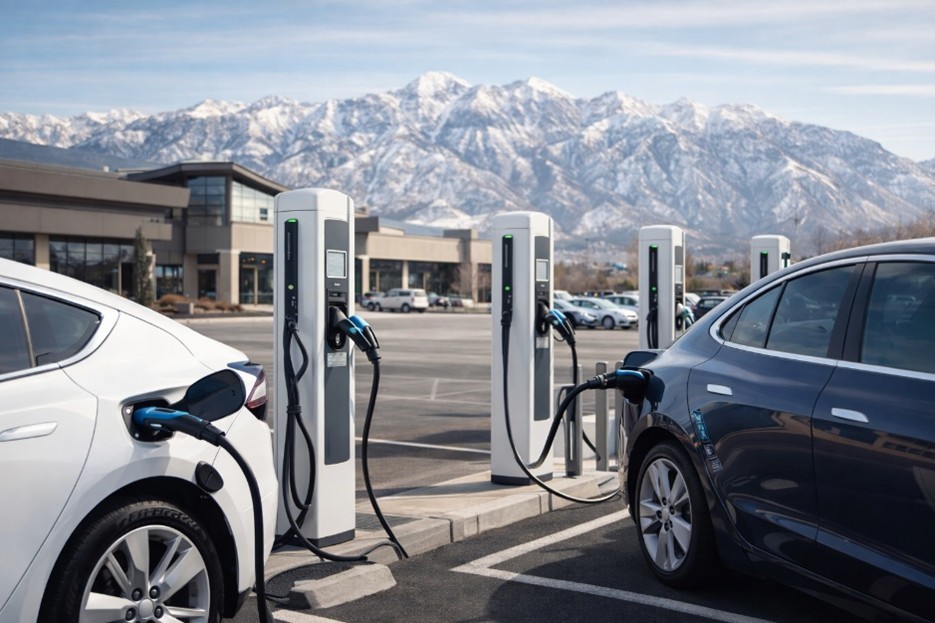
Many areas in Utah qualify under federal definitions for eligible census tracts, making EV charger installation Utah projects particularly attractive. This includes suburban commercial corridors, rural towns, and growing metro areas along the Wasatch Front.
Cost Considerations and ROI for EV Charger Installation
How Much Does It Cost to Install an EV Charger
Commercial EV charger installation typically ranges from $5,000 to $40,000 per port, depending on electrical capacity, trenching needs, and charger type. With the 30c tax credit, these costs can be reduced by up to $100,000 per item, dramatically improving payback periods.
Parking Lot Investment and Parking Revenue Opportunities
Installing EV chargers turns a traditional parking lot investment into a revenue-generating asset. Property owners can charge for usage, attract longer dwell times, and increase overall parking revenue—especially in garages where drivers are willing to pay for convenience.
Learn more ways to monetize a parking lot with EV charging.
Who Installs EV Chargers and What to Look For
Installation Electrician and Permitting Needs
A licensed installation electrician is essential. EV charger projects require electrical upgrades, load calculations, and permitting that only experienced professionals can handle efficiently.
Finding the Best EV Charger Installer Near Me
When searching for who installs EV chargers, businesses should look for installers with commercial experience, familiarity with Utah permitting, and knowledge of 30C documentation requirements.
EV Charging as a Long-Term Business Opportunity
Electric Vehicle Ownership Trends and the Future of Electric Cars
Electric vehicle ownership continues to grow as manufacturers expand offerings and infrastructure improves. The future of electric cars is no longer speculative—it’s already reshaping transportation and real estate decisions.
Investing in Electric Charging Stations for Business Growth
For forward-thinking companies, investing in electric charging stations aligns sustainability with profitability. Charging infrastructure supports tenants, attracts customers, and future-proofs commercial properties.
Learn more about how EV charging increases spending at nearby businesses.
Frequently Asked Questions About the 30C Tax Credit
Q1: Can Utah businesses claim the 30C tax credit?
Yes, businesses installing qualifying chargers in eligible Utah locations may claim the credit.
Q2: Is labor included in the 30C credit?
Yes, installation labor and essential components are eligible costs.
Q3: Can tax-exempt entities benefit?
Yes, through IRS elective pay provisions.
Q4: Are residential chargers eligible?
Consumers may receive up to 30% of costs, capped at $1,000, for home installations in qualified locations.
Q5: How many chargers can a business install?
Each charging port qualifies separately, up to the per-item cap.
Q6: Does the credit apply to parking garages?
Yes, making it ideal for parking-related business models.
Conclusion: Why Acting Now Makes Financial Sense
With generous incentives, rising EV demand, and strong regional eligibility, the 30C tax credit makes this the most cost-effective time for Utah businesses to invest in EV charging infrastructure. Those who act now position themselves ahead of competitors—financially, operationally, and sustainably.
Get Started